
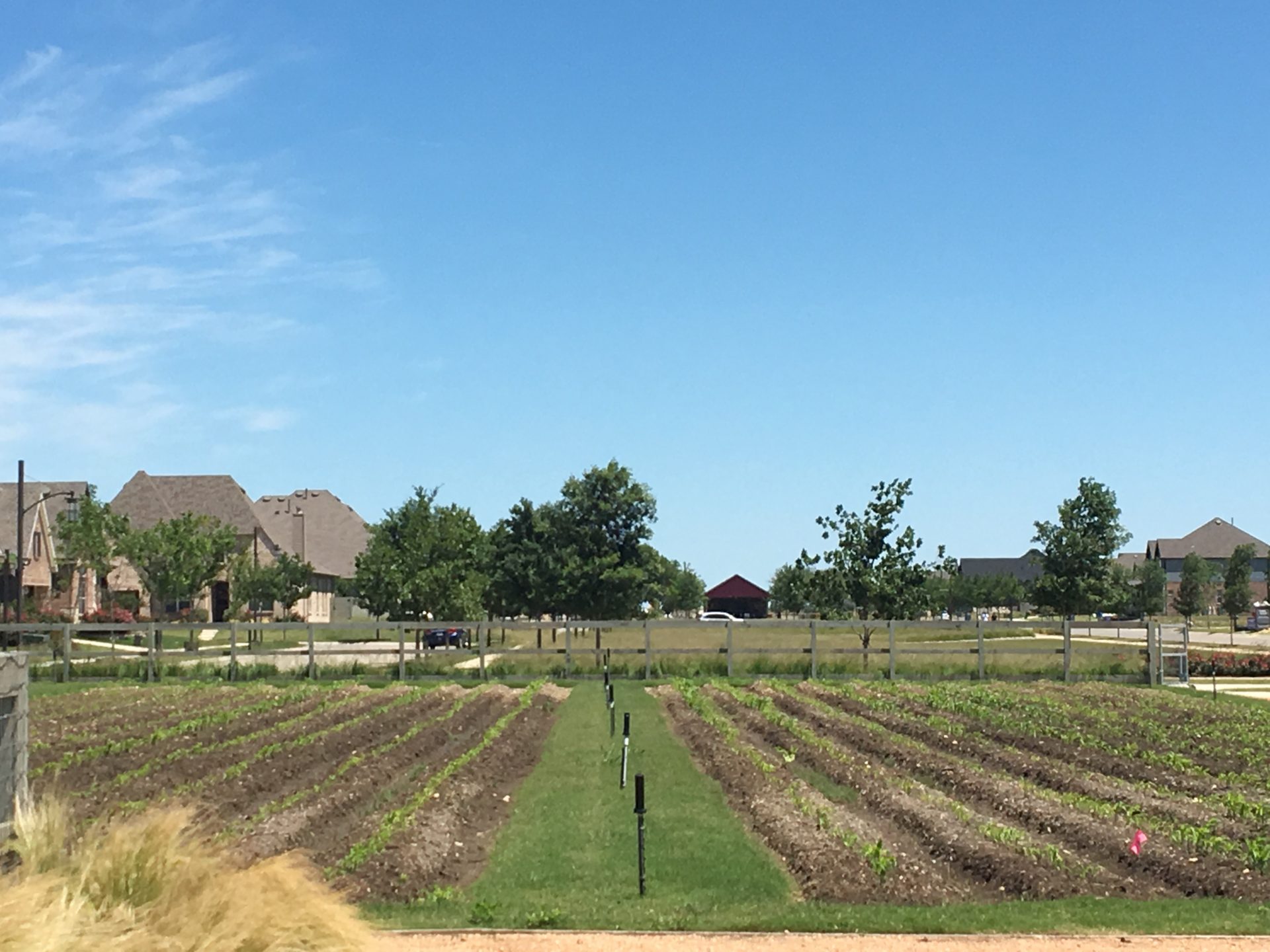
If you love the idea of fresh produce, walkable communities, and a meaningful connection to the land, then an agrihood might be the perfect fit.
An agrihood community is a residential neighborhood centered around a working farm or agricultural space. Rather than traditional suburban layouts built around golf courses or clubhouses, agri neighborhoods place orchards, fields, gardens, and greenhouses at the heart of daily life.
Another widely used agrihood definition describes them as farm communities where growing fruits and vegetables is a shared responsibility of residents for the benefit of all. Today’s agrihoods typically feature single-family homes built around a professionally managed farm. Residents can participate in agricultural activities as much—or as little—as they like. Many communities also offer private garden plots, community-supported agriculture (CSA) programs, and farm-to-table events.
Agrihoods have moved beyond trend status—they represent a meaningful shift in how people want to live. Across the United States, there are now more than 200 agrihoods, with dozens more in development. Over the last decade, they have grown particularly popular in states like Texas, Colorado, California, and Florida, where outdoor living and sustainability are valued.
Globally, the concept is expanding as well. Countries such as Japan, Canada, the Netherlands, and Australia have adopted similar forms of farm community living, integrating urban agriculture, community gardens, and conservation-focused neighborhoods. Studies show that:
A majority of homebuyers place a high value on access to green space, walkable neighborhoods, and sustainability-focused features such as local food systems (National Association of Realtors; Urban Land Institute).
If you’re looking to stay active, enjoy purposeful work, and savor the rewards of your own harvest, then living in an agrihood offers all that and more. Depending on the neighborhood, participation varies—some farm communities require a minimum number of volunteer hours, while others include fees for the care of the farm in their HOA dues.
Getting involved in the farm is one of the best parts of farm community living. Residents love the sense of belonging, the opportunity to grow fresh produce, and the ability to connect with neighbors over shared activities. Many families find that their children gain valuable lessons by learning where their food comes from and contributing to meaningful work.
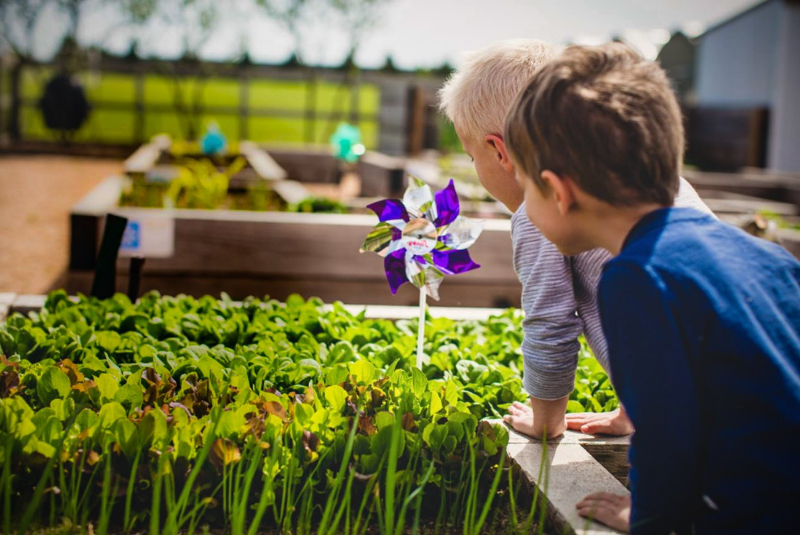
Communal farming provides countless advantages:
As more people seek healthier and more environmentally responsible lifestyles, farm neighborhoods have become a natural solution. They support local farmers’ markets, CSA programs, and community nutrition initiatives, positively influencing residents and surrounding towns.
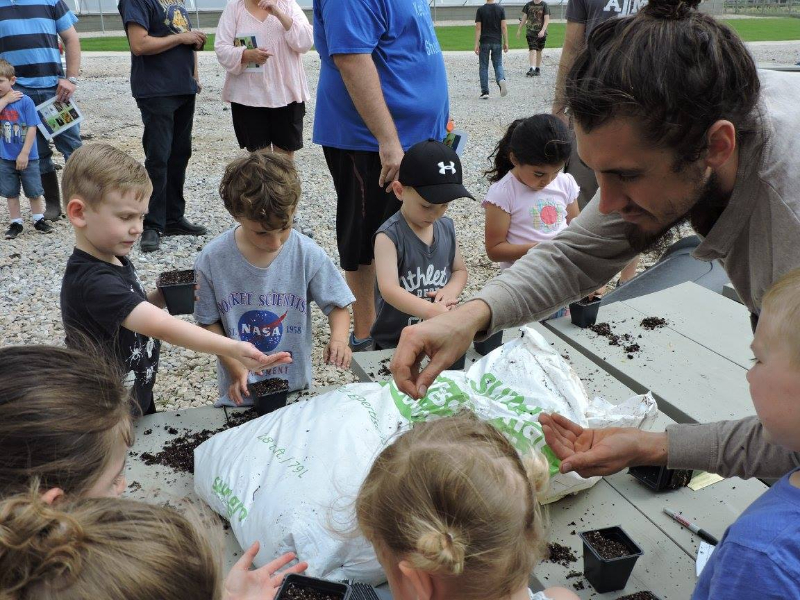
Agrihoods frequently offer unique educational experiences. Workshops, demonstrations, and children’s programs help families understand agricultural practices, conservation, and healthy eating. These opportunities help create a generation that values sustainability and community.
Residents of Harvest by Hillwood, an award-winning agrihood community in Northlake and Argyle, Texas, enjoy all the charms of farm-to-table living but with a modern spin — a walkable neighborhood with brand new homes, one-of-a-kind amenities, and close proximity to many major cities, including Dallas, Denton, and Fort Worth. At the heart of Harvest is a vibrant working commercial farm operated by Farmer Ross, a Texas A&M–trained agricultural expert. He maintains the farm’s production of fresh, seasonal crops for local markets and restaurants using sustainable methods.
Residents can:
One of the most meaningful aspects of Harvest’s farm is its partnership with the Tarrant Area Food Bank. Surplus produce is donated regularly, and residents can volunteer to support hunger-relief programs, an example of how this agri community helps nourish more than just its own residents.
Harvest offers far more than just a working farm—it’s a vibrant, holistic agricommunity designed to support wellness, education, and modern living. Spanning 1,200 acres with 3,900 single-family homes, Harvest blends agricultural heritage with thoughtfully designed amenities, top-tier schools, and a wide variety of home options.
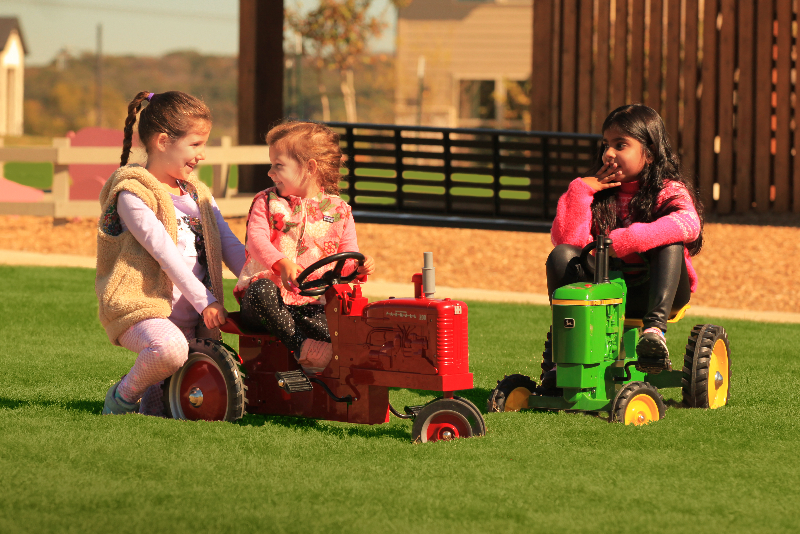
Harvest’s amenities bring neighbors together in countless ways, from fitness at The Fit Barn to community events at The Red Barn, outdoor fun at Central Park, and everyday gathering spaces like Farmhouse Coffee & Treasures. Residents can enjoy the natural beauty of Harvest Lake, cool off at The Splash, explore imaginative play at Mini Town Park, and relax waterside at The Dock—all thoughtfully designed to enrich daily life and foster meaningful connection.
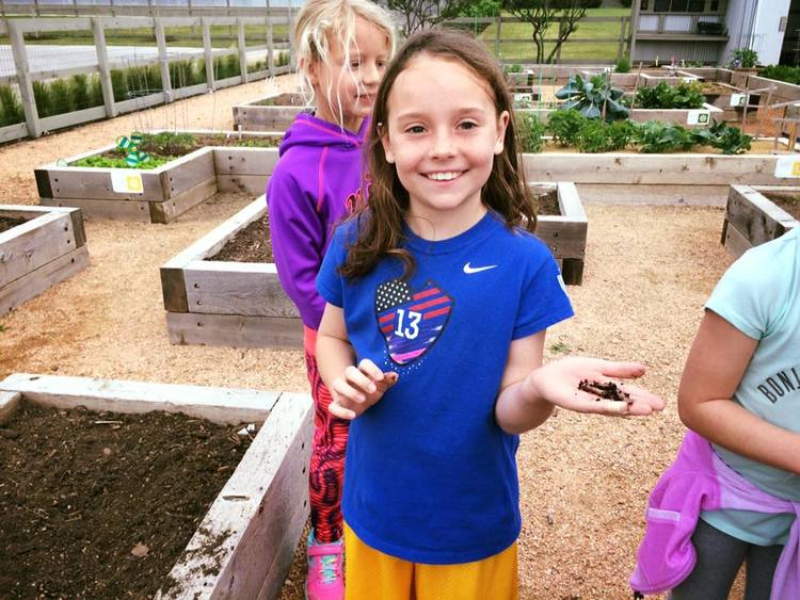
Our exceptional resident activity program, Lifestyle by Hillwood℠ brings the community together with hundreds of annual events, including gardening workshops, cooking classes, family festivals, affinity groups, and clubs for residents of all interests. The program also offers age-specific activities for preschoolers, teens, tweens, and seniors, ensuring every generation feels connected and engaged.
Harvest is located in both Argyle and Northlake and is served by two highly regarded school districts, Argyle ISD and Northwest ISD, providing strong academic foundations and excellent extracurricular programs.
When you live at Harvest, the school district you attend depends on your address. Two of the community’s onsite elementary schools are in the Argyle ISD, and the third is in the Northwest ISD. Families can clearly understand their child’s academic path by looking at each district individually.
Harvest’s Argyle residents attend highly rated Argyle ISD schools, beginning with two onsite elementary campuses:
As students grow, they continue through the district as follows:
Harvest’s Northlake families are zoned to Northwest ISD, beginning with:
Students then advance to:
Both districts are known for strong academic performance, dedicated teachers, and enriching extracurricular opportunities that support students at every stage of their academic journey.
What is an agrihood?
An agrihood is a residential neighborhood built around a working farm or agricultural amenity, offering residents opportunities to engage with sustainable food production.
Do I have to work on the farm if I live in an agrihood?
Participation varies by community. Some encourage volunteer hours, while others make involvement optional. Participation in the Harvest Farm is voluntary.
Are agrihoods more expensive than traditional neighborhoods?
Not necessarily. While amenities may add value, agrihoods often offer a range of price points similar to other master-planned communities.
What types of people live in agrihoods?
Everyone—from young families to retirees to environmentally conscious buyers. Many choose agrihoods for community connection, wellness, and sustainable living.
Do agrihoods actually produce significant amounts of food?
Yes. Many produce hundreds or even thousands of pounds of fruits and vegetables annually, supporting residents, local markets, and food banks.
Are there agrihoods outside the U.S.?
Yes. Variations of agrihoods exist in Europe, Canada, Asia, and Australia, often centered around sustainability and urban agriculture.
For those searching for agrihood homes for sale, Harvest offers a diverse selection of floor plans crafted by respected Texas builders. Options include charming cottages, spacious family homes, and designs that reflect the community’s agrarian-inspired aesthetic. Many homes feature front porches and timeless architecture that encourages neighborly connection. Whether you’re a first-time buyer, growing family, or empty nester, Harvest provides thoughtfully planned homes within a lively and supportive farm community.
If you’re interested in exploring the agrihood lifestyle and Harvest’s community values, come tour our model homes, or contact us to learn more today!